Entain Flags Major Risks from UK Gambling Tax Hikes Set for 2026 and 2027
13 Mar 2026
Entain Flags Major Risks from UK Gambling Tax Hikes Set for 2026 and 2027

Unpacking the Government's Latest Duty Increases
UK Chancellor Rachel Reeves announced steep hikes to gambling taxes in the recent budget, targeting remote gaming duty and online sports betting; remote gaming duty jumps from 21% to 40% starting April 2026, while online sports betting duty climbs from 15% to 25% come April 2027, changes that Entain—the powerhouse behind Ladbrokes and Coral—says will reshape the entire regulated sector.
These adjustments hit at a time when the industry already navigates tight regulations from the UK Gambling Commission, yet Entain's warnings highlight how such fiscal pressures could accelerate shifts already underway; smaller operators, squeezed by rising costs, might exit the market entirely, leaving giants like Entain to shoulder more but with slimmer margins overall.
But here's the thing: as March 2026 approaches with these changes looming just a month later in April, companies prepare balance sheets that reflect not just immediate revenue dips but long-term structural damage; Entain's recent financials capture this tension perfectly, booking a hefty £488 million impairment charge tied directly to the anticipated tax burden.
Entain's Balance Sheet Takes a £680.5 Million After-Tax Blow
The impairment charge wasn't some abstract accounting move; Entain posted after-tax losses of £680.5 million for 2025, a stark turnaround driven by these fiscal announcements that forced a reassessment of asset values across its UK operations.
Figures reveal the scale: remote gaming, which powers much of the online casino activity under Ladbrokes and Coral, faces the steeper 21%-to-40% leap first in 2026, hitting platforms where players spin slots or table games remotely; sports betting, the bread-and-butter for many punters, gets its 15%-to-25% increase a year later, compounding the strain as football seasons and major events drive peak revenues.
Observers note how Entain, with its vast network of over 4,000 UK shops alongside a booming digital arm, stands as a bellwether for the sector; when such a leader impairs assets to this degree—£488 million worth—it signals broader tremors, especially since the company had reported profits in prior years before these policies landed.
What's interesting is the timing: with 2025 results now public, the market sees clear cause-and-effect, where government policy directly erodes book values; Entain's leadership didn't mince words, attributing the losses squarely to the duties while projecting profit erosion exceeding 50% by 2027 if unmitigated.
Warnings of a Shrinking Regulated Market and Black Market Surge
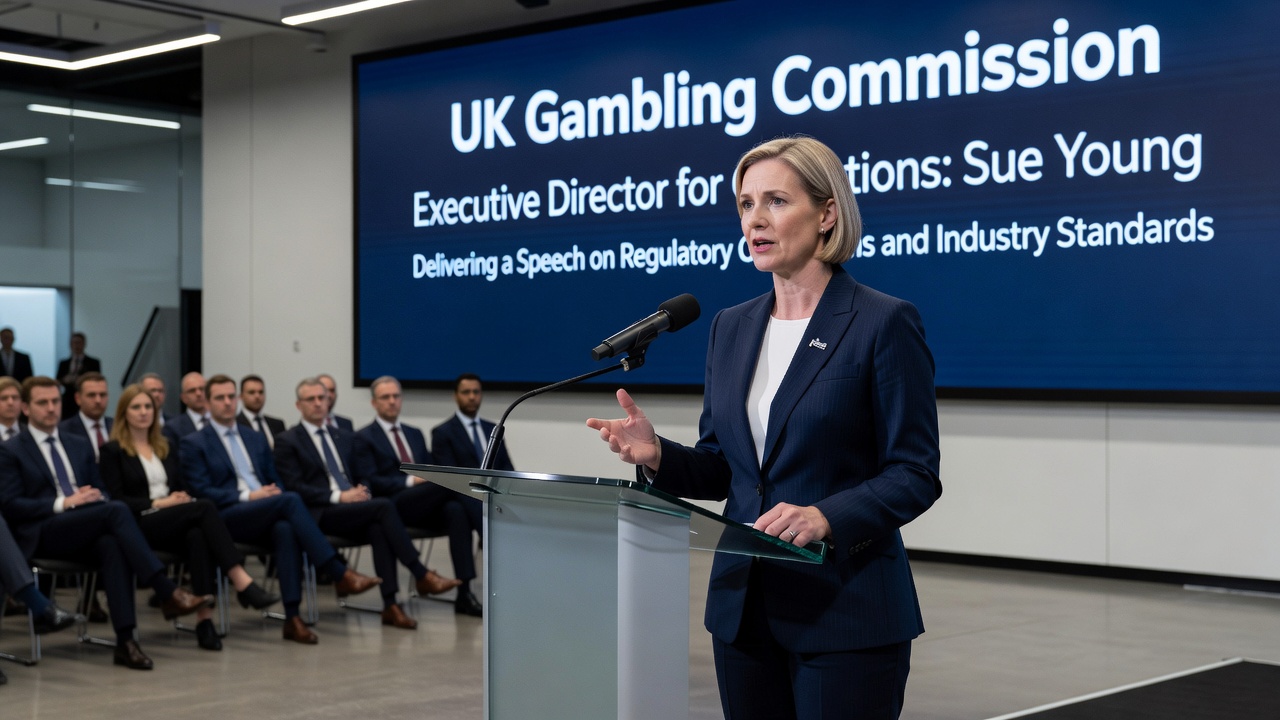
Entain's starkest alert centers on market contraction; higher duties, they argue, push smaller operators—those nimble shops and sites scraping by on thin margins—straight out of business, consolidating power among fewer players while regulated revenues overall decline as customers migrate elsewhere.
And that elsewhere? Illegal gambling, according to Entain, stands to boom; unregulated sites, often offshore and untaxed, lure price-sensitive punters with better odds or bonuses unburdened by UK levies, a shift data from past tax tweaks has borne out—take the 2019 remote gaming duty rise from 15% to 21%, which experts observed correlated with upticks in unlicensed activity despite commission crackdowns.
People who've studied this space know the pattern: taxes climb, compliance costs soar, and suddenly the regulated pie shrinks even as the overall gambling appetite—pegged at billions annually—remains steady; Entain predicts this dynamic will intensify post-2026, with remote gaming operators hit hardest initially since their duty spikes first, forcing closures that ripple through supply chains and jobs.
Turns out, the company's own scale offers some buffer—Ladbrokes and Coral command massive customer loyalty built over decades—but even they face over 50% profit hits from 2027 onward without countermeasures; smaller rivals, lacking such brand moats, fold faster, handing more ground to black market players who dodge duties altogether.
Cost-Cutting Measures Roll Out to Blunt the Impact
To counter the looming erosion, Entain moves aggressively on expenses, targeting areas like third-party casino content where providers supply slots, blackjack, and roulette games; cuts here aim to preserve margins, trimming what could otherwise balloon operating costs under higher tax regimes.
These aren't one-off trims; the strategy offsets more than half the projected profit plunge by 2027, blending reduced vendor spend with operational efficiencies across digital and retail fronts—shops might see streamlined staffing, while online platforms optimize server loads to shave pennies per bet.
One case researchers point to mirrors this: when duties rose previously, larger firms like Entain's peers pared back flashy promotions or niche content, focusing instead on high-volume staples like football betting or popular slots; Entain follows suit, ensuring Ladbrokes and Coral stay competitive without bleeding cash to taxes.
Yet the rubber meets the road here: while cost controls help giants weather the storm, they underscore the story for minnows, who lack negotiating power with suppliers and can't absorb duty jumps without hiking prices—prompting customer flight to untaxed alternatives.
Industry Echoes and Regulatory Context
Entain's voice carries weight, given its dominance—Ladbrokes and Coral together process millions of bets weekly—but the narrative aligns with murmurs from trade bodies like the Betting and Gaming Council, which have long flagged tax competitiveness against European peers where duties hover lower.
Figures from HMRC's remote gambling duty stats provide backdrop: pre-hike collections topped billions, yet yield-per-operator has trended down as consolidation bites; post-2026 hikes could reverse that revenue optimism if market shrinkage materializes as Entain forecasts.
It's noteworthy how March 2026 feels like a pivot point now, with firms like Entain locking in impairments ahead of April's remote gaming duty wallop; sports betting operators get a brief reprieve until 2027, but the one-two punch leaves little room for complacency, especially as economic headwinds like inflation amplify every percentage point.
Those who've tracked fiscal policy in gambling note a trade-off: government coffers gain short-term—projected billions extra annually—yet risk long-term losses if regulated GGY (gross gambling yield) contracts; Entain's £680.5 million loss story illustrates the math in real time, turning theoretical warnings into ledger reality.
Looking Ahead: Implications for Players and Operators
For everyday punters at Ladbrokes or Coral, changes might manifest subtly at first—tighter bonuses on casino games come 2026, or adjusted odds on Premier League matches by 2027—while operators recalibrate to survive; Entain's cuts to third-party content mean fewer exotic slots perhaps, prioritizing proven earners that justify the 40% levy.
But the bigger picture looms: a thinner regulated field boosts illicit sites, where protections like age checks or problem gambling tools vanish; experts who've analyzed black market growth post-tax shifts warn of heightened risks, from data breaches to unpaid winnings, underscoring why Entain pushes back so publicly.
So as 2026 nears, the sector watches Entain's playbook closely—impair, cut costs, consolidate—moves that might stabilize leaders but at the expense of diversity; smaller shops shutter, online niches fade, and the line between legal and shadow markets blurs further unless policy pivots.
Conclusion
Entain's alert on the UK's remote gaming duty surge to 40% in April 2026 and sports betting duty to 25% in 2027 paints a clear trajectory: £488 million impairments, £680.5 million 2025 losses, and cost slashes targeting over 50% profit safeguards signal deep unease; the regulated market, per company analysis, contracts as small operators bail and illegal channels swell, a dynamic rooted in fiscal math that's hard to dispute.
With Ladbrokes and Coral at the forefront, Entain embodies resilience amid reform, yet its story spotlights vulnerabilities that could redefine UK gambling by decade's end; stakeholders from punters to policymakers now grapple with the fallout, as March