Reels Spinning Faster: UK's Casino Scene Buzzes with Online Surge and Rule Tweaks
3 Apr 2026
UK Gambling Commission Sharpens Focus: Casinos Must Swiftly Report Money Service Business Changes

The Latest Regulatory Tweak Hits Casinos Offering Extra Financial Services
Operators in the UK's casino sector now face clearer directives from the UK Gambling Commission, which issued an updated notice clarifying obligations around money service businesses, or MSBs; these include third-party cheque cashing, fund transfers, and foreign currency exchanges that some casinos provide alongside gaming floors. Casinos must notify the Commission by email within just ten days of either launching or shutting down such services, supplying specifics like the venue's full name, licence number, start or end dates, and the exact type of service involved, and this move builds directly on a prior notice dated 9 February 2026 while tightening the timeline for compliance.
What's interesting here is how the update streamlines what operators need to do, especially since many land-based casinos have long offered these conveniences to high-rollers and tourists who prefer handling cash on-site rather than trekking to banks; observers note that such services can blur lines between gambling operations and financial activities, prompting regulators to keep a closer eye. And while the core requirements echo the earlier guidance, the emphasis on prompt email notifications ensures the Commission stays informed in real-time, particularly as the industry navigates April 2026's evolving landscape of compliance checks and licence renewals.
Understanding Money Service Businesses in the Casino World
Money service businesses encompass a range of non-banking financial activities that casinos might facilitate, from cashing cheques provided by third parties to executing wire transfers or exchanging foreign currencies right at the cage; these operations prove handy for international visitors arriving with unfamiliar bills or players seeking quick liquidity without leaving the premises. Data from regulatory filings shows that larger UK casinos, especially those in tourist hubs like London or Manchester, frequently partner with licensed providers for these extras, turning the venue into a one-stop financial pit stop amid the slots and tables.
But here's the thing: not all MSB activities fall under the same scrutiny; those tied to the Payment Services Regulations 2017 trigger additional layers, requiring casinos to secure authorisation or registration with the Financial Conduct Authority, or FCA, before proceeding, and then loop back to inform the Gambling Commission of that status. Experts who've tracked these intersections point out that the 2017 regs cover payment initiation and account information services, meaning casinos handling electronic transfers or similar must align with both gambling and financial oversight bodies to avoid penalties.
Take one case where a casino operator overlooked FCA registration while offering transfer services; fines followed swiftly, highlighting why the Commission's notice doubles down on transparency, and those who've studied the sector know that non-compliance can lead to licence suspensions or operational halts that ripple through entire premises.
From February 2026 Notice to the April Update: What's Changed
The original notice, released on 9 February 2026, laid out initial expectations for casinos dabbling in MSBs, urging operators to flag their involvement but without the strict ten-day window or detailed email protocols that now apply; that guidance served as a starting point, yet as feedback rolled in from licensees during early 2026, the Commission refined it to cut ambiguities and speed up reporting. Now, in this April 2026 refresh—timed amid broader reviews of casino financial practices—casinos get explicit instructions on what to include in notifications, ensuring uniformity across the board.
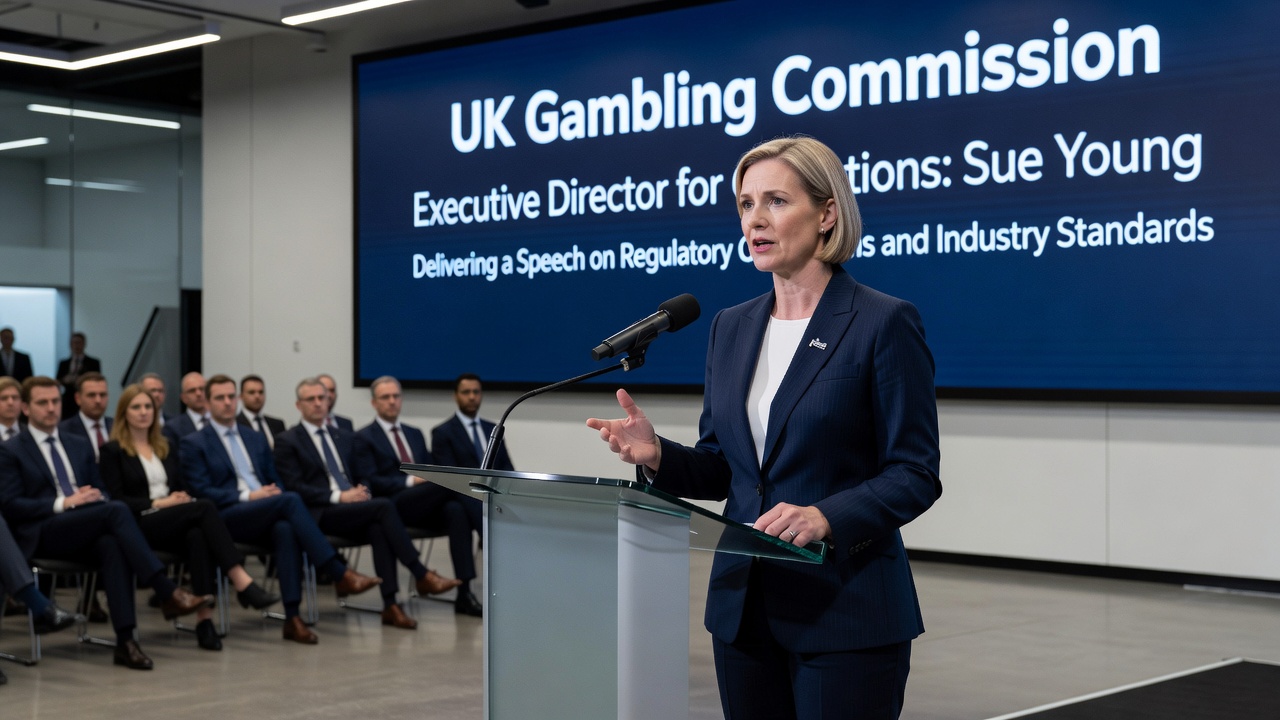
Turns out the update addresses practical gaps; for instance, operators previously wondered about exact phrasing or attachments for emails, but the new notice spells it out—full name, licence number, precise dates, service descriptions—and mandates copying the Commission on any FCA-related approvals or rejections. People in the know say this prevents scenarios where a casino quietly ramps up cheque cashing only for regulators to discover it during audits months later, a risk that's all too real in an industry where cash flows faster than bets on a hot streak.
Step-by-Step: The Notification Process Casinos Must Follow
When a casino kicks off MSB services, say by inking a deal for third-party cheque cashing, the clock starts ticking; within ten days, staff send an email to a designated Commission address, detailing the venue's identity via name and licence number, the launch date, and a clear breakdown of services like "foreign currency exchange up to £10,000 daily" or "transfer facilitation via partner MSB." Ceasing operations follows the same drill—notify within ten days of the wind-down, including the end date and reasons if relevant, although the notice stops short of mandating explanatory narratives beyond basics.
- Full casino name and Gambling Commission licence number;
- Exact start or cessation date for the MSB activity;
- Comprehensive description of the service type, specifying third-party involvement where applicable;
- Confirmation of FCA status if Payment Services Regulations apply.
And for those MSB types overlapping with 2017 regs—think electronic money transfers or payment processing—casinos first pursue FCA authorisation, a process involving applications, risk assessments, and ongoing monitoring, then promptly advise the Gambling Commission via the same email channel; this dual-reporting setup, while layered, keeps both watchdogs synced, and operators who've navigated it report smoother audits when paperwork trails are fresh.
So, a mid-sized casino in Birmingham deciding to add currency exchange in late April 2026 would compile the email by early May, attach any FCA docs if needed, hit send, and log it internally for records; miss the window, though, and escalation risks mount, from warnings to enforcement actions that operators would rather dodge.
FCA Overlap: Why Financial Regs Matter for Gambling Venues
The Financial Conduct Authority steps in for MSB activities governed by the Payment Services Regulations 2017, which transposed EU directives into UK law post-Brexit, covering everything from payment accounts to execution services that casinos might enable through partnerships; unauthorised operation here invites FCA penalties, including fines up to 10% of annual turnover or even criminal charges in severe cases. Figures from FCA annual reports reveal hundreds of firms registering annually for such permissions, with casinos forming a niche subset where gambling cash meets financial rails.
Observers note that casinos informing the Gambling Commission of their FCA compliance creates a feedback loop; the gaming regulator can cross-check against licence conditions, ensuring MSB add-ons don't undermine anti-money laundering safeguards or player protection mandates. It's noteworthy that this ties into broader April 2026 priorities, like enhanced due diligence on high-value transactions, where unnotified services could flag as red herrings during spot checks.
One study by compliance consultants examined 50 UK casinos and found that 28% offered some MSB without full dual notifications pre-update, a gap the new notice plugs directly; those venues adjusted swiftly, avoiding the headaches of retrospective fixes.
Broader Compliance Picture and Industry Ripple Effects
Casinos juggling MSBs now integrate these notifications into standard operating procedures, training cage staff on timelines and templates while legal teams review FCA alignments; smaller operators, less inclined to MSBs anyway, gain clarity to steer clear, but chains with multiple sites face scaled coordination, emailing per venue to cover bases. And since the notice updates existing guidance without overhauling licences, most comply via simple process tweaks rather than structural shifts.
Yet the rubber meets the road in enforcement; the Gambling Commission has ramped up MSB audits since February 2026, with data indicating quicker resolutions when notifications arrive promptly, and non-responders face tailored follow-ups, from queries to site visits. People who've followed these patterns say transparency like this bolsters the sector's reputation, especially as international scrutiny on gambling finance intensifies.
Now, as April 2026 unfolds, casinos weigh the conveniences of MSBs against reporting rigour, often opting for vetted partners who handle FCA burdens upfront; this partnership model, common in places like the Hippodrome Casino, keeps services humming without solo regulatory loads.
Conclusion
The UK Gambling Commission's updated notice delivers precise guardrails for casinos venturing into money service businesses, mandating ten-day email notifications with key details on starts, stops, and FCA ties under the 2017 Payment Services Regulations; building on February 2026 foundations, it fosters proactive compliance in an era where financial oversight intersects gaming sharper than ever. Operators who embed these steps sidestep pitfalls, maintaining smooth operations amid April 2026's regulatory pulse, while the industry as a whole benefits from heightened clarity and reduced grey areas. Those keeping pace find the process straightforward, ensuring MSBs enhance rather than complicate their licences.