19 May 2026
Reimagining the Table: Mobile Designs Transforming Live Dealer Play in Britain's Regulated Casinos
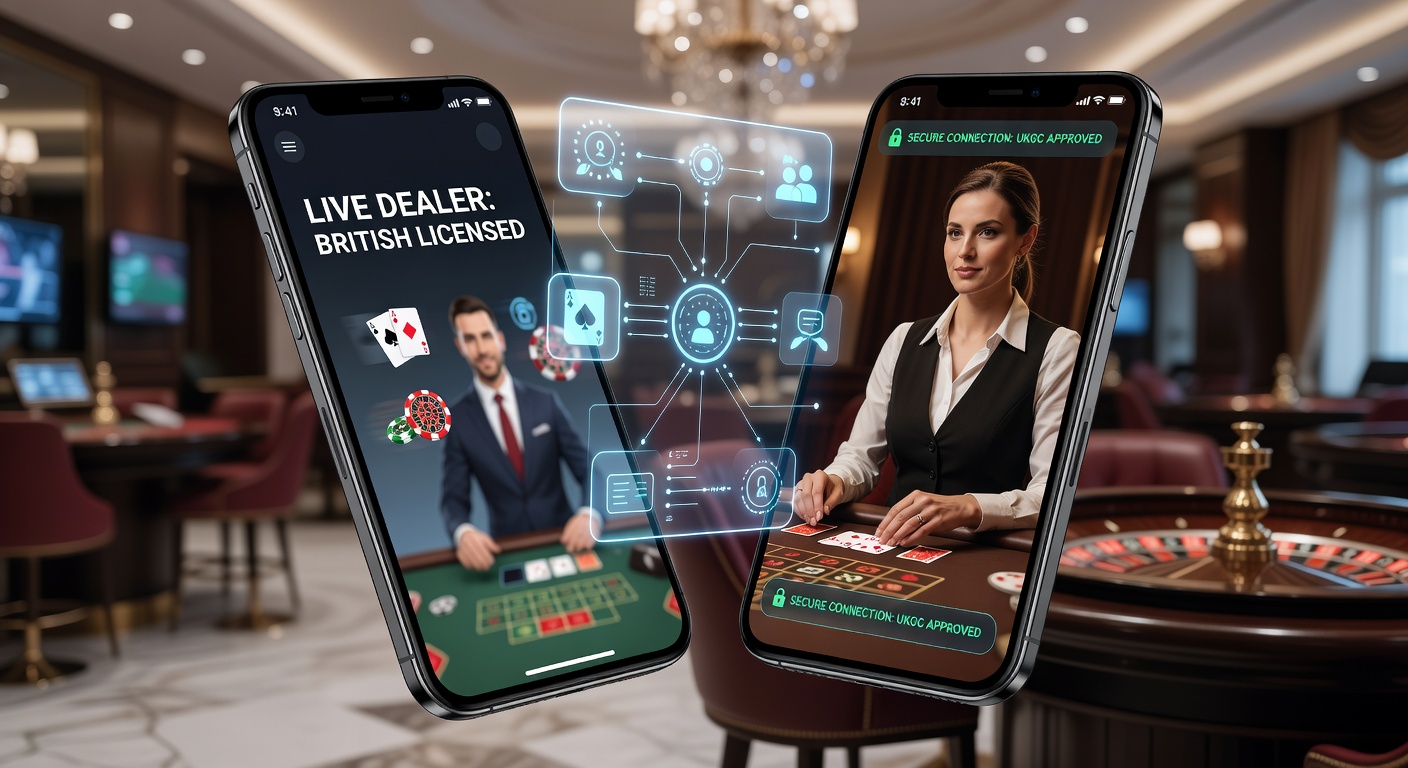
Live dealer games on licensed British platforms continue to evolve as mobile interfaces introduce new ways for players to engage with real-time tables, and operators respond by optimizing apps for touch navigation, instant camera switches, and integrated chat systems that keep sessions fluid across devices. These changes build on existing infrastructure where dealers operate from controlled studios while participants join via smartphones or tablets, creating interactions that mirror physical casino dynamics yet adapt to portable screens.
Interface Features Driving Engagement Shifts
Designers at major British platforms incorporate swipe gestures that let users rotate table views without interrupting bets, while split-screen modes display dealer feeds alongside betting grids and player statistics in one glance. Data from industry reports shows mobile users now account for over 65 percent of live dealer sessions on regulated sites, prompting developers to prioritize low-latency streaming that maintains synchronization between dealer actions and player inputs. Observers note that portrait orientation defaults have become standard since many participants hold devices vertically during commutes or breaks, and this adjustment supports one-handed controls for chip placement and card requests.
Real-Time Interactions and Device Integration
Chat overlays appear as translucent bubbles that users can drag to different screen corners, allowing conversations with dealers or fellow players without blocking critical game elements. Push notifications alert participants to table openings or dealer changes, and voice-to-text options reduce typing delays during fast-paced rounds like blackjack or baccarat. Researchers from the European Gaming and Betting Association have documented how these mobile-specific tools increase average session lengths by enabling seamless re-entry after network interruptions, and platforms apply automatic reconnection protocols that restore exact table states within seconds.
Biometric login options such as fingerprint or facial recognition speed up access to live tables, bypassing lengthy password entries while complying with verification standards required on licensed British platforms. Multi-device continuity features let players start a session on a phone and transfer it to a tablet mid-game without losing position in the queue or accumulated winnings, and this flexibility appeals to those who move between environments throughout the day.
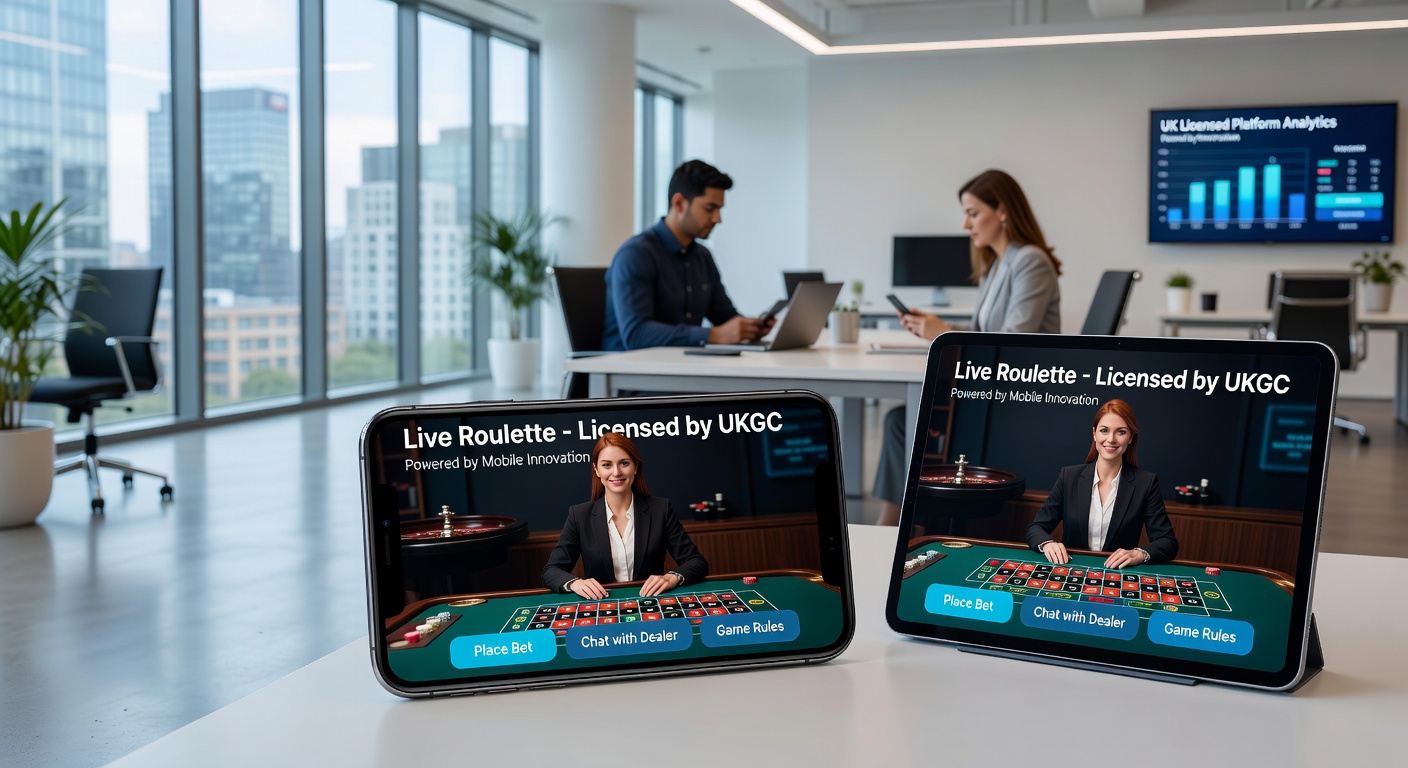
Trends Emerging in May 2026 and Beyond
In May 2026 several operators rolled out augmented reality filters that overlay virtual elements onto live dealer feeds, such as highlighted card paths or probability indicators visible only to the mobile user. These additions operate within strict guidelines that preserve the integrity of physical card handling and dealer oversight, and early figures reveal modest uptake among players who prefer enhanced visuals during longer sessions. Platform analytics indicate that AR tools see higher engagement on weekends when users dedicate more screen time, while weekday traffic favors streamlined interfaces that minimize distractions.
Hardware advancements in newer smartphones support higher refresh rates that reduce motion blur during card reveals, adn British platforms test adaptive streaming that scales quality based on available bandwidth to prevent freezes. Observers point to partnerships between app developers and network providers that prioritize gaming traffic, ensuring stable connections even in crowded public spaces where live dealer interactions might otherwise drop.
Player Behavior Patterns and Platform Responses
Studies tracking user habits show mobile players tend to join shorter live dealer rounds and switch tables more frequently than desktop users, leading operators to introduce quick-join buttons and favorite dealer lists that streamline transitions. Loyalty programs now award mobile-specific bonuses for consistent app usage, such as extra chips for completing a set number of live sessions via smartphone. These incentives align with broader patterns where touch-based navigation encourages spontaneous participation during brief windows of availability.
Security protocols on licensed platforms include end-to-end encryption for all mobile data streams, and regular audits verify that dealer identities and game outcomes remain protected regardless of device. Take one case where a platform updated its interface to include real-time balance updates during bets, and participants reported fewer interruptions because they could confirm wagers instantly without leaving the table view.
Conclusion
Mobile interfaces continue to reshape how players connect with live dealers on licensed British platforms through refined controls, integrated features, and adaptive technologies that respond to actual usage data. As device capabilities advance and operators refine their applications, the focus remains on maintaining fair play standards while delivering accessible, uninterrupted table experiences across varied settings and schedules.