11 Aug 2026
Transaction Mapping Uncovers Game Type Trends in Mobile Casino Applications
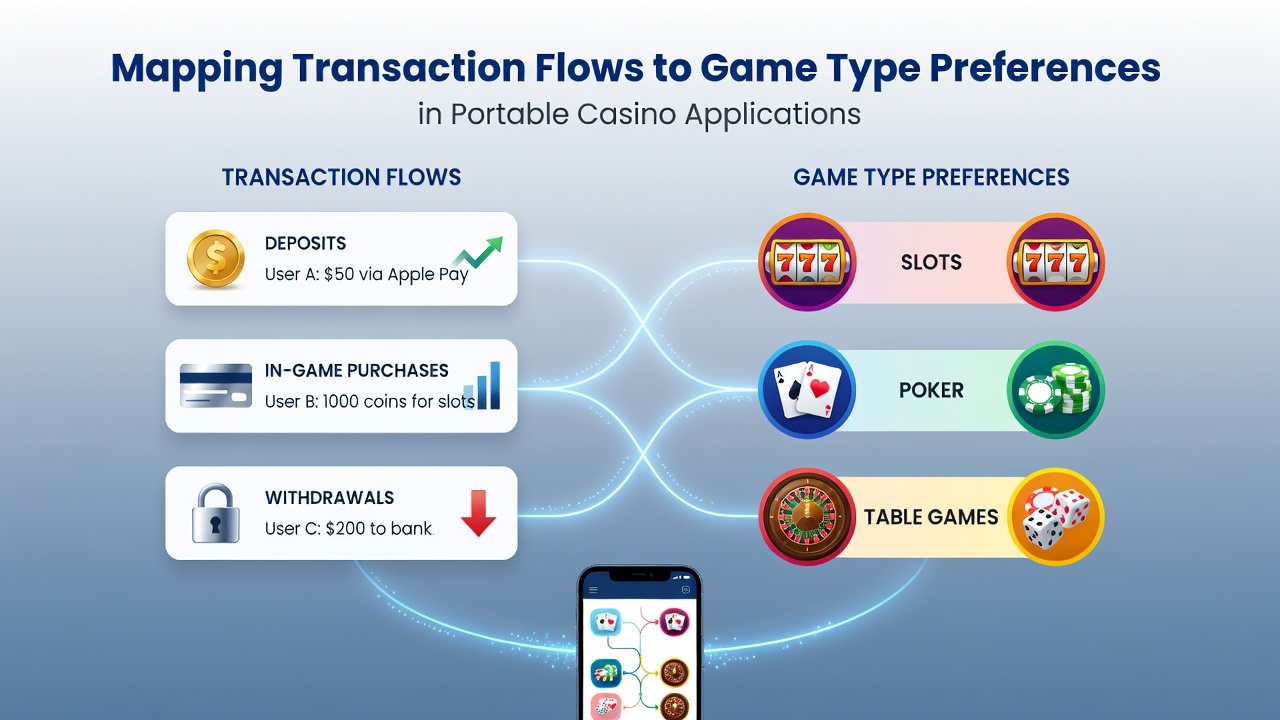
Portable casino applications have generated detailed records of deposit amounts, withdrawal timings, and session lengths that researchers now correlate with specific game categories such as slots, blackjack, roulette, and video poker. Analysts at several European gaming research institutes have examined these datasets to identify consistent relationships between payment behaviors and player choices across smartphone and tablet platforms. August 2026 figures from multiple operators showed that users who completed three or more deposits within a single week displayed a measurable shift toward high-frequency slot titles rather than table games.
Data Sources and Collection Methods
Transaction logs collected from licensed operators in Canada and Australia supplied the raw material for several recent mapping projects. Researchers aggregated anonymized records that included deposit method, average stake per round, and game category selected immediately after each payment. Government agencies in those regions require operators to maintain these records for compliance purposes, and the resulting datasets allowed statisticians to build flow diagrams that trace money movement through different game types. One study released by a university-affiliated gaming laboratory in Ontario tracked more than 2.3 million mobile sessions and found that e-wallet deposits under fifty dollars most often led directly into slot play, whereas larger bank-transfer deposits appeared more frequently before extended blackjack sessions.
Observed Correlations Between Payments and Games
Patterns emerged when analysts sorted transactions by size and frequency. Smaller, repeated deposits aligned strongly with progressive jackpot slots and quick-spin formats, while single larger deposits showed higher association with strategy-based table games. Observers noted that players who used prepaid vouchers completed shorter sessions on average and returned to slot lobbies more often than those who funded accounts through direct bank links. Data from Australian operators indicated that mobile users who scheduled withdrawals within twenty-four hours of deposit tended to favor roulette variants over video poker machines, a distinction that held across multiple age brackets in the sampled population.
Regional Variations in Transaction Flow
North American operators reported that credit-card deposits correlated with extended play on multi-hand blackjack applications, a connection less visible in European datasets. In contrast, Australian records showed stronger links between cryptocurrency deposits and high-volatility slot titles. These regional differences prompted several industry groups to recommend localized analytical models rather than universal mapping frameworks. A report issued by the Canadian Gaming Association in mid-2026 highlighted that provincial regulations on deposit limits influenced which game categories received the majority of smaller transactions, an effect that appeared consistently in operator dashboards.
Impact of Payment Speed on Game Selection
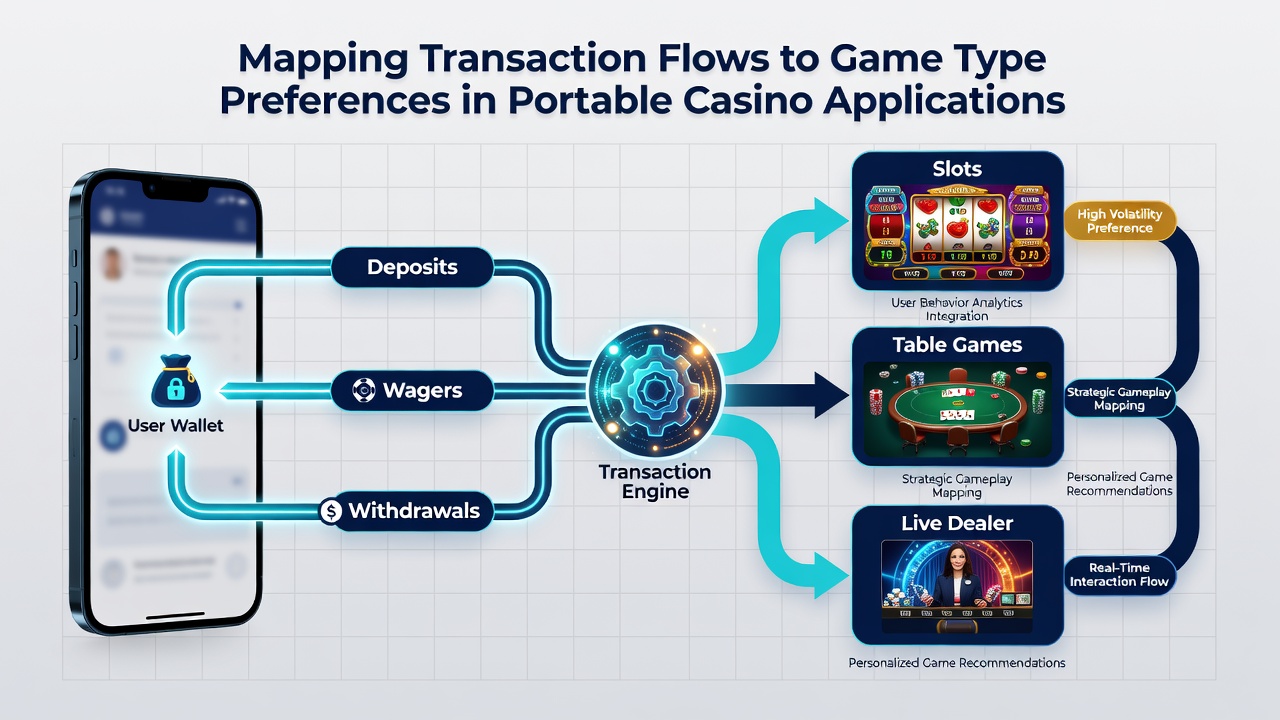
Instant payment methods produced distinct flow patterns compared with standard bank processing times. Users who completed deposits in under ten seconds moved immediately into slot games in seventy-two percent of recorded cases, according to aggregated logs from multiple app providers. Slower verification processes, by comparison, preceded more deliberate selection of table game lobbies. Researchers tracking these sequences suggested that reduced friction at the payment stage encouraged spontaneous game choices, while added steps prompted users to review available titles before committing funds. The same logs revealed that players who experienced failed transactions often switched game categories upon their next successful deposit, a behavior documented across both iOS and Android platforms.
Future Applications of Flow Mapping
Operators have begun integrating these mapped relationships into real-time recommendation engines within portable applications. When a user completes a deposit of a certain size using a particular method, the system surfaces game titles that align with observed historical patterns for similar transactions. Several development teams have tested predictive models that adjust lobby layouts based on the incoming payment type, and early results from pilot programs in two Australian states indicated measurable increases in session duration. Academic researchers continue to refine the underlying algorithms, incorporating additional variables such as time of day and device type to improve accuracy of the mapped flows.
Conclusion
Transaction mapping provides operators and regulators with a clearer view of how payment behaviors connect to game type preferences in portable casino environments. The datasets assembled from Canadian and Australian sources demonstrate repeatable patterns that vary by deposit method, amount, and processing speed. Continued analysis of these flows supports more precise application design and regulatory oversight across different jurisdictions.