UK Casinos Hit New Highs: Surging Trends and Game-Changing Headlines
4 Apr 2026
UK Gambling Commission Steps Up Oversight: Casinos Now Required to Report Money Services in Real Time

The Latest Update from the UKGC
On March 26, 2026, the UK Gambling Commission (UKGC) issued an updated regulatory notice that targets land-based casinos offering money service businesses (MSBs), such as currency exchange or money transmission services; operators now face a strict 10-day window to notify the Commission whenever they start or stop these activities, a move designed to sharpen anti-money laundering (AML) monitoring across the sector.
What's interesting here is how this change builds on existing frameworks while closing potential gaps in real-time visibility, since casinos have long provided ancillary services like foreign exchange to accommodate high-rollers from abroad, but until now notifications weren't as immediate or detailed. Experts who've tracked UKGC evolutions note that this update reflects ongoing pressures to align gambling operations with broader financial regulations, especially as land-based venues navigate post-pandemic recoveries alongside heightened scrutiny on illicit finance flows.
And while the notice applies specifically to physical casinos holding UKGC licences, it underscores a broader push; those in the know point out that MSBs inherently carry risks of being exploited for laundering, given their role in moving large sums quickly across borders, which is why the Commission wants prompt, standardized reporting.
Breaking Down the Notification Requirements
Casinos must email all details to msb@gamblingcommission.gov.uk within 10 days of launching or halting MSB operations, including their full legal name, UKGC licence number, exact start or end dates for the services, and a clear description of the MSB type—whether it's currency exchange, money transmission, or something similar; operators also need to flag if these activities trigger obligations under The Payment Services Regulations 2017, which could mean securing separate authorization or registration from the Financial Conduct Authority (FCA).
Turns out this level of specificity helps the UKGC map out the landscape swiftly; for instance, one observer familiar with casino compliance processes explained how a venue switching to automated exchange kiosks might trigger a "start" notification, complete with licence details like "XYZ Casino Limited, Licence No. 12345," followed by service dates such as "commenced March 30, 2026," and a note on whether it qualifies as a payment service under the 2017 regs.
But here's the thing: failure to report doesn't just risk fines—it could complicate licence renewals or invite deeper audits, since the UKGC ties this into its core Licence Conditions and Codes of Practice (LCCP), particularly around AML and responsible operation standards. Data from prior notices shows that similar requirements have prompted dozens of updates from operators in the past year alone, hinting at how embedded these services are in the casino ecosystem.
Short and sweet: notifications keep it simple via email, but accuracy matters, as discrepancies could flag non-compliance early.
Why MSBs in Casinos Draw Regulatory Heat
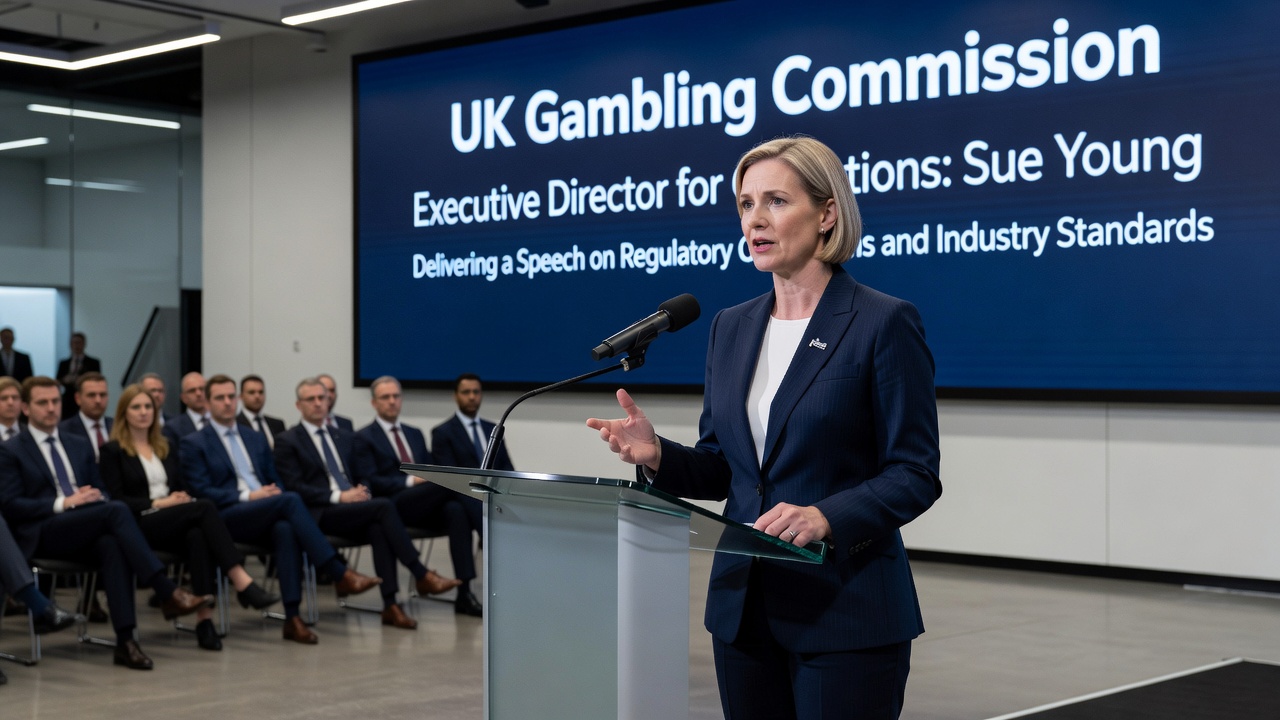
Land-based casinos often bundle MSBs to boost convenience for international visitors, who might convert euros to pounds on-site before hitting the tables, yet these services sit at teh intersection of gambling and finance, making them prime targets for money launderers seeking to layer funds through high-volume, cash-heavy environments. Researchers studying financial crime patterns have found that casinos process billions in transactions annually, with MSBs adding another layer where oversight lags could allow dirty money to blend in seamlessly.
The reality is, this isn't new territory; the UKGC first flagged MSB concerns in earlier notices, but the March 26 update ramps up the urgency with its tight timeline, ensuring the Commission stays ahead of shifts like a casino outsourcing its bureau de change or ceasing operations amid cost pressures. People who've worked in compliance recall cases where unreported MSBs led to FCA interventions, especially if services veer into regulated payment territories under the 2017 regulations, which demand FCA nods for anything resembling electronic money issuance or funds transfer.
So by April 2026, as the notice takes hold, operators across London, Manchester, and beyond are poring over their setups; take one Midlands casino that quietly shuttered its exchange desk in late March—under the new rules, they'd have until early April to notify, averting potential blind spots in the UK's AML net.
It's noteworthy that this dovetails with the Gambling Act 2005's emphasis on preventing crime, where MSBs amplify vulnerabilities since cash inflows from gambling wins can mask external deposits; studies from bodies like the National Crime Agency reveal casinos as key sectors for suspicious activity reports, with MSB volumes contributing significantly.
Compliance Steps and What Operators Need to Know
Getting it right starts with internal audits; casinos should map their MSB offerings against UKGC definitions—currency exchange counts if it's more than incidental, money transmission if it involves wiring funds—and cross-check against FCA thresholds under the Payment Services Regulations, notifying promptly if either applies. Emails to msb@gamblingcommission.gov.uk must be comprehensive, attaching evidence like contracts or cessation confirmations where relevant, while keeping records for UKGC inspections that could follow.
Yet compliance teams often discover grey areas, such as partner-provided kiosks; in those scenarios, the casino still notifies as the licensed entity, detailing the third-party involvement to maintain transparency. Observers note that training staff on these protocols has become routine, with larger chains like those in the Rank Group or Genting rolling out updates swiftly post-March 26.
And for smaller independents, the 10-day clock acts as a safeguard; missing it might invite enforcement, but proactive reporting builds goodwill, especially as the UKGC ramps up site visits in April 2026 to verify adherence amid whispers of broader AML crackdowns.
Figures from Gambling Commission reports indicate over 150 land-based casinos operate in the UK, not all with MSBs, but those that do—like high-end spots in Mayfair or waterfront venues in Brighton—face the sharpest focus now.
Broader Implications for the Casino Sector
This update ripples through operations where MSBs support VIP programs; high-rollers expect seamless exchanges, but stricter reporting could nudge venues toward digital alternatives vetted by the FCA, aligning with trends where e-wallets reduce cash reliance overall. Those who've analyzed sector data point out that enhanced UKGC visibility helps fend off international pressure, such as FATF recommendations urging tighter casino controls.
But here's where it gets interesting: by mandating disclosures on Payment Services Regulations overlap, the notice bridges gambling and finance silos, potentially streamlining dual oversight; one case from compliance forums describes a casino that flagged its service early, avoiding FCA duplication after UKGC referral.
Now, as April 2026 unfolds, initial notifications are trickling in, painting a clearer picture of MSB prevalence—estimates suggest 20-30% of larger casinos engage, per industry trackers—while smaller ones weigh costs against convenience. The ball's in operators' court to adapt, with the UKGC poised to use this intel for targeted AML enhancements, like risk-based audits or tech integrations for transaction monitoring.
Seminars and webinars hosted by trade bodies such as the British Casino Association are buzzing, equipping members with templates for those emails, ensuring the sector doesn't just comply but thrives under scrutiny.
Conclusion
The UKGC's March 26, 2026, notice marks a pivotal shift in how land-based casinos handle MSBs, enforcing 10-day notifications that detail everything from licence numbers to regulatory overlaps, all emailed to msb@gamblingcommission.gov.uk to fortify AML defenses. Operators navigating this in April 2026 find themselves better equipped for transparency, as prompt reporting not only meets mandates but sharpens the entire sector's resilience against financial crime. With compliance now non-negotiable, the casino landscape edges toward a more integrated, watchful future, where oversight keeps pace with the games on the floor.