7 Jul 2026
UK Government Confirms Gambling Commission Licence Fee Adjustments Effective October 2026

The Department for Culture, Media and Sport published its response to the consultation that ran from January through March 2026 on proposals to fund the Gambling Commission, and this document sets out a headline 25 percent increase to most operating licence fees while introducing targeted exceptions and structural shifts, and the changes will take effect from 1 October 2026 through secondary legislation.
Officials designed the adjustments to deliver long-term funding certainty for the regulator while addressing rising operational costs, and the response outlines how the new fee structure applies across different licence categories with specific protections for certain operators.
Background to the Consultation Process
The consultation invited views on how best to ensure the Gambling Commission maintains adequate resources amid expanding regulatory responsibilities, and responses came from industry stakeholders, consumer groups and other interested parties during the three-month period that ended in March 2026, after which the department reviewed submissions before finalising its position.
Evidence gathered during the process highlighted increasing demands on the regulator, including oversight of remote gambling, enforcement against illegal markets and compliance monitoring, and these factors contributed to the decision to revise the fee framework rather than maintain the existing structure.
Details of the Fee Increases and Exceptions
Most operating licence fees will rise by 25 percent under the confirmed changes, yet society lotteries receive a freeze on their fees while certain betting licences move to a market-share basis for calculating charges, and these modifications reflect efforts to balance revenue needs with fairness across different segments of the gambling sector.
The shift to market-share calculations for selected betting licences means fees will scale according to an operator's proportion of the overall market rather than fixed amounts, and this approach aims to align costs more closely with business scale while maintaining the overall funding increase.
Secondary legislation will implement these revisions, and the department's response document provides the full breakdown of how each licence type will be affected once the rules come into force on 1 October 2026.
Implementation Timeline and Regulatory Impact
With the response now published, operators have several months to prepare for the October 2026 start date, and the phased approach allows time for systems updates and financial planning ahead of the new fee regime taking effect.
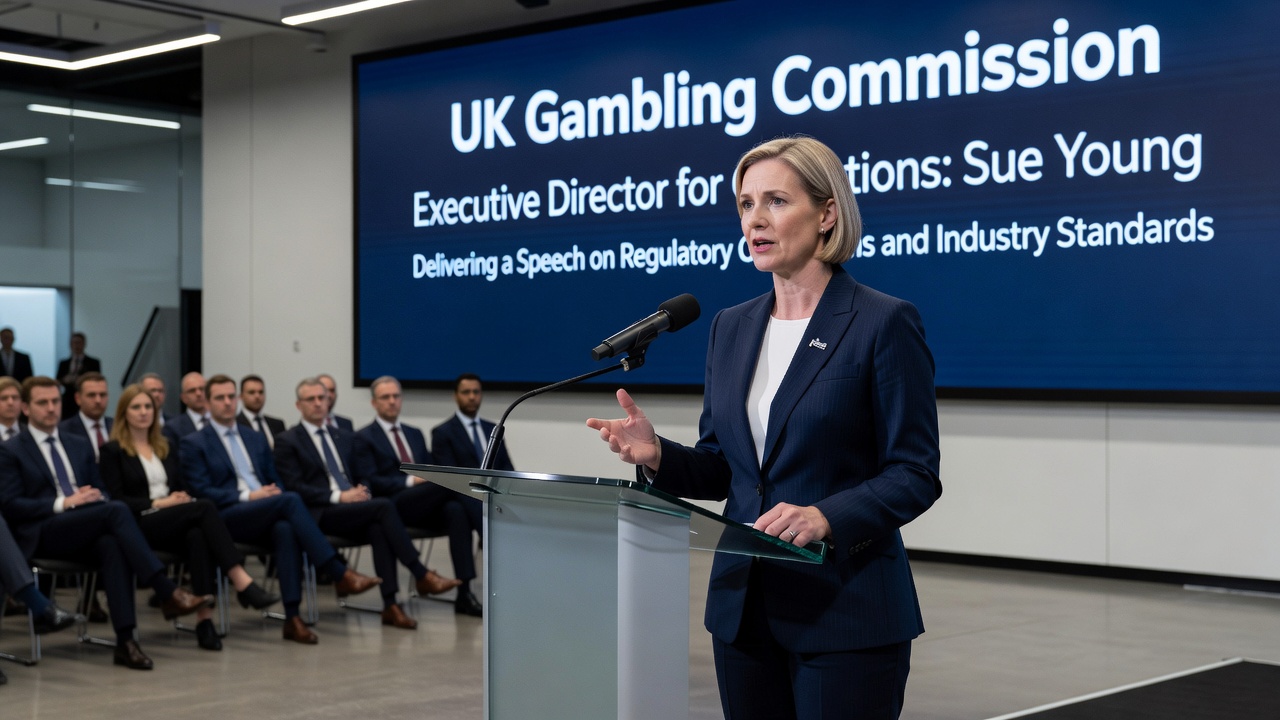
The Gambling Commission will continue its core functions with the additional resources generated by the revised fees, and government statements note that the adjustments address cost pressures without introducing new regulatory burdens beyond the funding mechanism itself.
Those monitoring the sector observe that the confirmed structure provides predictability for both the regulator and licence holders, since the 25 percent uplift combined with the specified exceptions creates a clearer picture of future obligations compared with ad-hoc increases.
Stakeholder Considerations Around the Changes
Industry participants who responded to the consultation expressed views on how fee levels interact with overall business costs, and the final response incorporates some of those points through the freezing of society lottery fees and the introduction of market-share calculations for certain betting activities.
According to the Government response to the proposals for changes to Gambling Commission fees from 1 October 2026, the department weighed competing priorities before settling on the package of measures that now moves forward.
Operators across remote and non-remote sectors will see the majority of their licence fees adjusted upward, while the targeted exceptions limit the impact on specific charitable and smaller-scale activities, and this differentiation forms a central element of the published outcome.
Conclusion
The DCMS response marks the conclusion of the 2026 consultation exercise and establishes the pathway for updated Gambling Commission funding through the October 2026 fee changes, and the combination of a broad 25 percent increase with defined exceptions and a market-share model for certain licences represents the government's chosen approach to sustaining regulatory capacity.
Secondary legislation will finalise the details in the coming period, after which the new structure will apply uniformly from the stated implementation date, and stakeholders now have a settled framework on which to base operational decisions going forward.