7 Jun 2026
UK Regulators Weigh New Limits on Gambling Marketing Ahead of 2026 World Cup

Political and public attention has turned sharply toward gambling advertising practices across the United Kingdom, with discussions centering on tighter rules for marketing campaigns, sponsorship deals, and online promotions run by licensed casino and betting operators. Lawmakers and advocacy groups have raised concerns about exposure levels, particularly as preparations intensify for major international events scheduled throughout 2026, and officials have begun examining options that range from stricter content guidelines to outright restrictions on certain promotional channels.
Data collected by industry monitors shows that digital advertising spend from gambling firms increased notably in the lead-up to previous tournaments, prompting fresh scrutiny this year. Parliamentary committees have scheduled hearings where representatives from various sectors will present evidence on how current practices affect different age groups and vulnerable populations. These sessions coincide with broader regulatory reviews set to shape policy direction through the remainder of the decade.
Proposed Changes Target Sponsorships and Digital Channels
Among the measures under consideration are limits on shirt sponsorships for sports teams, restrictions on affiliate marketing networks, and requirements that all promotional material carry enhanced warning labels. Operators have already started adjusting some campaigns in anticipation of formal announcements, while trade associations have submitted detailed responses outlining potential economic impacts on legitimate businesses. The focus extends beyond traditional television spots to include social media influencers, search engine placements, and targeted mobile notifications that reach users throughout the day.
Stakeholders note that similar approaches have been tested in other jurisdictions, with outcomes varying depending on enforcement mechanisms and local market conditions. One analysis from the Australian Communications and Media Authority highlighted how coordinated restrictions across platforms reduced certain forms of exposure without eliminating all promotional activity. UK policymakers have referenced such examples during preliminary briefings, though they continue to evaluate which elements might transfer effectively to the domestic landscape.
Balancing Consumer Protections Against Market Shifts
Supporters of expanded controls argue that reduced visibility of licensed operators could lower overall participation rates among casual viewers, yet critics point to the risk that suppressed advertising might redirect demand toward unlicensed platforms operating outside existing oversight frameworks. Reports from border control agencies and payment processors indicate that illegal sites already capture a measurable share of activity, often through aggressive online tactics that evade standard compliance checks. Any contraction in legal marketing channels could widen that gap, according to several submissions presented to regulatory panels this spring.
Industry data compiled by the European Gaming and Betting Association reveals that markets with abrupt advertising cutbacks sometimes experience temporary spikes in offshore traffic before new equilibrium points emerge. Observers tracking these patterns emphasize the importance of simultaneous enforcement actions against illegal operators to prevent displacement effects. In the UK context, discussions have therefore included calls for parallel investment in detection technologies and international cooperation agreements that target cross-border services.
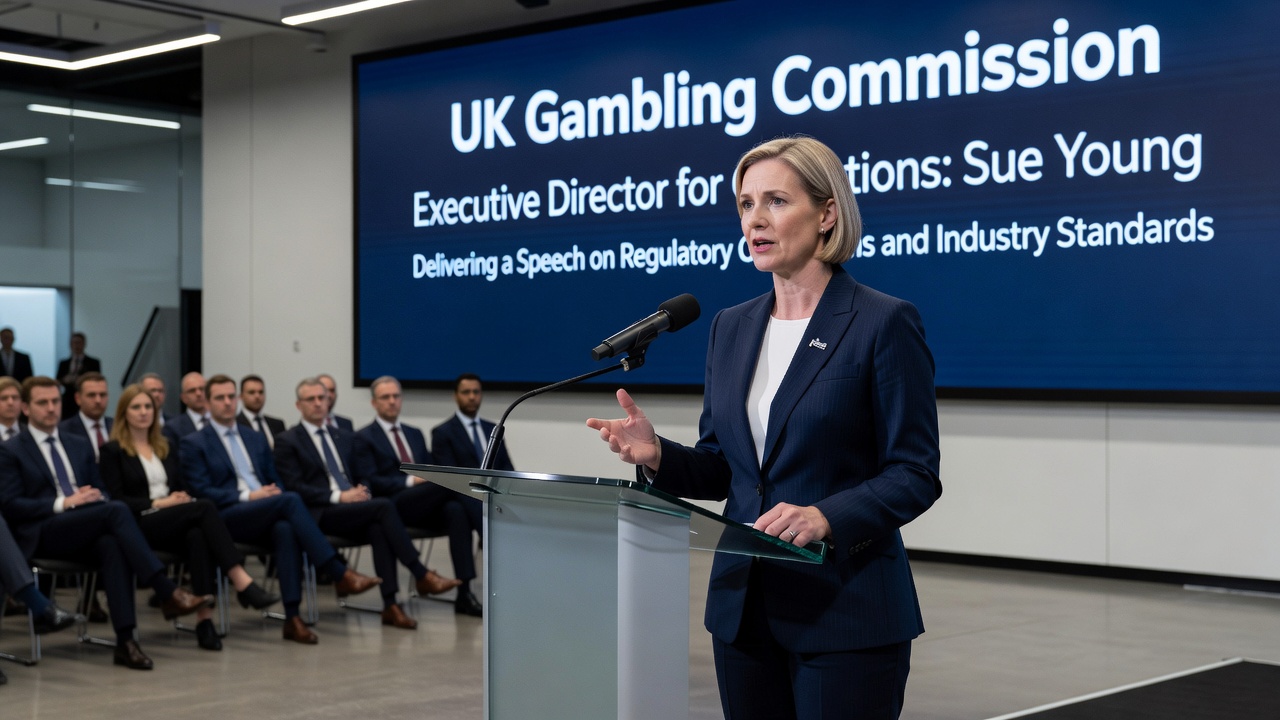
June 2026 has emerged as a key checkpoint in the timeline, with several working groups expected to release interim findings before summer recess. These documents will likely feed into draft legislation that could be introduced in the autumn session, giving operators and platforms time to adapt ahead of the World Cup schedule. Campaign finance records show that both pro-restriction and industry-funded groups have increased activity around these dates, reflecting the high stakes attached to final wording.
Digital Promotions Face Heightened Examination
Online promotions, including bonus offers and loyalty schemes promoted through apps and websites, form another focal point. Regulators have requested detailed breakdowns of targeting algorithms used by major platforms to ensure that content does not reach minors or individuals who have self-excluded. Several operators have voluntarily paused certain retargeting practices while awaiting clearer guidance, a move that has slowed some customer acquisition metrics in the short term. Analysts tracking quarterly filings note that companies with diversified geographic revenue streams appear better positioned to absorb any domestic contraction.
Academic studies on advertising elasticity in gambling sectors suggest that complete removal of promotional channels rarely eliminates demand entirely, instead shifting it toward alternatives that may carry higher risk profiles. Researchers at the University of Sydney have documented cases where reduced legal advertising correlated with increased use of unregulated apps in comparable markets. These findings have circulated among UK policy advisors who continue to weigh trade-offs between visibility reduction and enforcement capacity.
Looking Ahead to Implementation and Monitoring
Should new rules advance, phased rollouts appear probable, beginning with high-profile sponsorship categories before extending to digital formats. Monitoring frameworks would likely track both compliance rates among licensed entities and activity levels on unlicensed sites through partnerships with financial institutions and domain registries. Early indicators from pilot programs in select regions have shown mixed results, underscoring the need for flexible adjustment mechanisms once full measures take effect.
Trade publications report that several major operators have already begun scenario planning exercises that model revenue impacts under varying restriction levels. These internal reviews also consider potential reputational consequences and the resources required to maintain responsible gambling messaging without traditional advertising support. The coming months will therefore test how effectively stakeholders can align commercial interests with evolving public expectations around gambling visibility.
Conclusion
Current developments around gambling advertising regulation in the UK reflect ongoing efforts to recalibrate the balance between commercial freedoms and consumer safeguards, particularly as attention builds toward 2026 sporting events. The outcomes of these discussions will shape both legal market operations and the competitive landscape facing unlicensed alternatives, with implementation details likely to emerge through structured consultation processes. Continued observation of enforcement results and market responses will provide further clarity on whether the chosen path achieves intended objectives without unintended consequences.